language
English
العربية
বাংলাদেশ
Български
Hrvatski
Česky
Dansk
Nederland
 Esperanto
Slovenski
Filipino
Suomi
Français
Maori
 Shqiptare
Georgian
 Euskara
Deutsch
Ελλάδα
ישראל
इंडिया
Magyarország
Ísland
Indonesia
Irlanda
Italia
日本語
Sovensko
Հայաստան
한국
Kyrgyz
ປະເທດລາວ
 Zulu
Latvian
Lithuanian
Luxembourgish
 Latinus
Macedonian
Малайская
Maltese
Монгол улс
 Cymraeg
ဗမာ
 தமிழ்
नेपाल
Norge
ایران
Polska
Portugal
România
Российская
Србија
 Slovak
Србија
 Slovak
Bosanski
Slovenian
Беларус
España
Sverige
Точик
ประเทศไทย
Türk
Azərbaycan
Uzbek
 Afrikaans
Việt Nam


NEWS
GUANG TAI XIANG ARTIFICIAL STONE
Exploring the Versatility and Benefits of Artificial Stone in Construction and Decoration
2021-09-15
Artificial stone, often referred to as engineered stone, has become increasingly popular in the construction and decoration sectors, particularly in applications involving surfaces such as countertops, flooring, and wall cladding. Unlike natural stone, which is sourced from quarries and may have inherent flaws or variations, artificial stone is manufactured through a precise process that allows for greater control over its appearance and functionality.
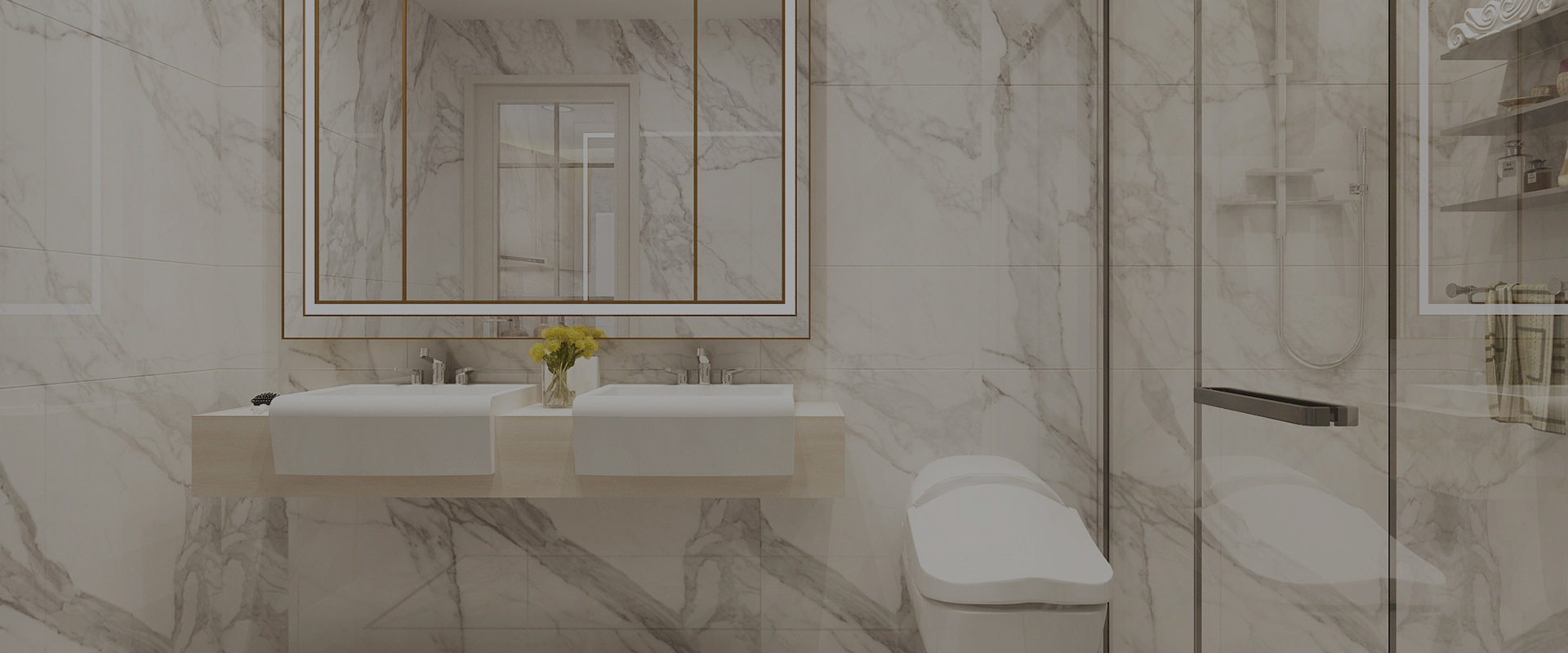
One of the primary advantages of artificial stone is its versatility. It can be designed to mimic the look of more expensive natural stones, such as marble or granite, while offering a variety of colors and patterns to suit different design aesthetics. This adaptability makes it an appealing option for both residential and commercial spaces, allowing architects and designers to create unique and customized environments.
In addition to its aesthetic appeal, artificial stone is known for its durability and low maintenance requirements. It is non-porous, which means it is resistant to staining, making it ideal for high-traffic areas or spaces prone to spills, such as kitchens and bathrooms. Unlike natural stones that may require periodic sealing or special cleaning products, artificial stone can often be cleaned with simple soap and water, making it a practical choice for busy homeowners and businesses alike.
Furthermore, artificial stone is often more environmentally friendly than natural stone. The manufacturing process can incorporate recycled materials, which reduces waste and promotes sustainability. Additionally, advancements in technology have allowed for the development of artificial stones that consume less energy during production compared to traditional quarrying methods for natural stones.
Another key benefit of artificial stone is its consistent quality. Each batch can be manufactured to meet specific standards, ensuring that the product is free from imperfections commonly found in natural stone, such as fissures or weak spots. This reliability is particularly important in large projects where uniformity is crucial.
When considering artificial stone for your building or decoration projects, it's essential to evaluate the different types available. Some common varieties include quartz surfaces, which are composed of around 90% crushed natural quartz, and polymer-modified surfaces, which combine resin with natural materials for added strength and flexibility. Each type offers unique characteristics that can cater to specific needs.
In summary, artificial stone presents a modern solution for construction and decoration, offering a blend of beauty, durability, and sustainability. As the industry continues to evolve, the popularity of this material is likely to grow, providing innovative options for architects, builders, and homeowners looking to enhance their spaces with stylish and functional surfaces.