 Esperanto
 Shqiptare
 Euskara
 Zulu
Zulu
 Latinus
 Cymraeg
 தமிழ்
தமிழ்
 Slovak
 Slovak
 Afrikaans


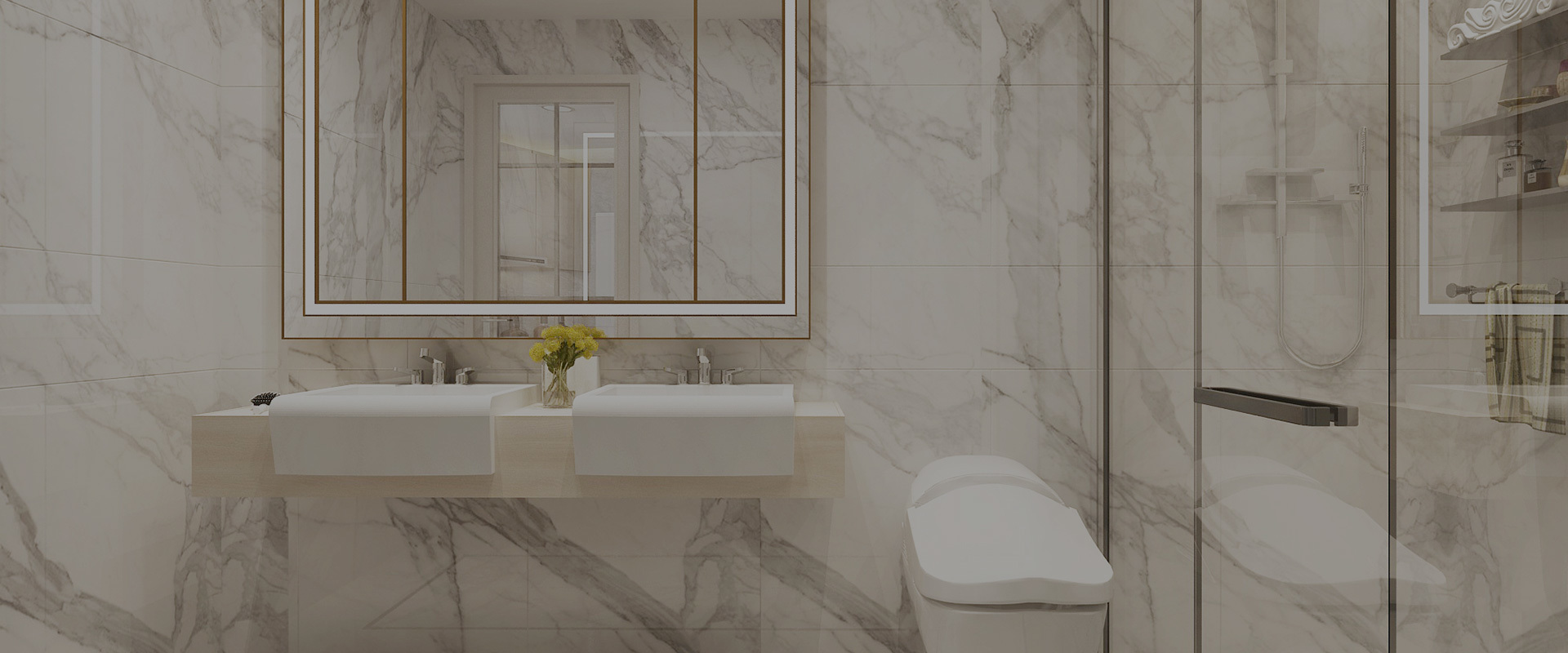
NEWS
GUANG TAI XIANG ARTIFICIAL STONE
Artificial Marble Stone: A Modern Elegance in Architectural Design
2021-09-15
Artificial marble stone, also known as engineered or cultured marble, has emerged as a prominent choice in contemporary architectural and interior design. Combining the elegance of natural marble with enhanced durability and versatility, artificial marble offers a compelling alternative for various applications.
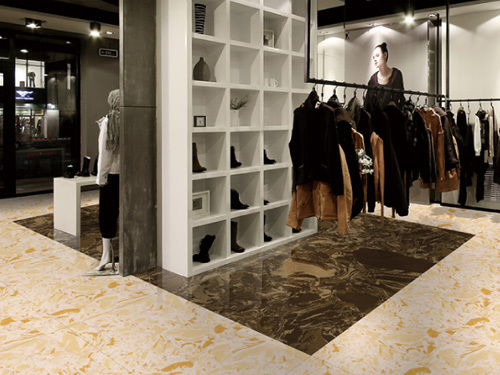
Artificial marble stone is celebrated for its aesthetic appeal and versatility in design. Through advanced manufacturing techniques, it replicates the intricate veining and color patterns found in natural marble. Designers and architects can choose from a wide range of colors, textures, and finishes, allowing for creative freedom in realizing diverse design concepts. Whether used for countertops, flooring, wall cladding, or decorative accents, artificial marble enhances spaces with its luxurious appearance.
Unlike natural marble, which can be prone to staining and scratching, artificial marble stone is engineered to be highly durable and low-maintenance. It is composed of a blend of natural stone aggregates, such as marble dust or limestone, combined with synthetic resins and pigments. This composition results in a material that is resistant to stains, moisture, and impact, making it suitable for both residential and commercial applications.
In addition to its aesthetic and functional benefits, artificial marble stone is increasingly favored for its sustainability. Production processes are designed to minimize waste and energy consumption compared to quarrying natural stone. Furthermore, the longevity of artificial marble reduces the need for frequent replacements, contributing to a more environmentally responsible choice of building materials.
Artificial marble stone offers advantages in terms of installation and cost efficiency. It is typically lighter and easier to handle than natural stone, facilitating quicker installation times and reducing labor costs. Moreover, the controlled manufacturing process ensures consistent quality and dimensions, minimizing material waste during installation.
The versatility of artificial marble stone extends its application across various design preferences and architectural styles. From sleek modern interiors to classical motifs, it seamlessly integrates into diverse settings, enhancing the overall aesthetic appeal. Common applications include kitchen countertops, bathroom vanities, flooring in high-traffic areas, and decorative elements such as fireplace surrounds and feature walls.
Artificial marble stone represents a synthesis of aesthetic beauty, durability, and sustainability in modern architectural design. As the demand for versatile and resilient building materials grows, artificial marble continues to evolve, offering innovative solutions for designers and architects worldwide. Whether employed in residential, commercial, or public spaces, its timeless elegance and practical benefits make it a preferred choice for creating enduring and inspiring environments.