language
English
العربية
বাংলাদেশ
Български
Hrvatski
Česky
Dansk
Nederland
 Esperanto
Slovenski
Filipino
Suomi
Français
Maori
 Shqiptare
Georgian
 Euskara
Deutsch
Ελλάδα
ישראל
इंडिया
Magyarország
Ísland
Indonesia
Irlanda
Italia
日本語
Sovensko
Հայաստան
한국
Kyrgyz
ປະເທດລາວ
 Zulu
Zulu
Latvian
Lithuanian
Luxembourgish
 Latinus
Macedonian
Малайская
Maltese
Монгол улс
 Cymraeg
ဗမာ
 தமிழ்
தமிழ்
नेपाल
Norge
ایران
Polska
Portugal
România
Российская
Србија
 Slovak
Србија
 Slovak
Bosanski
Slovenian
Беларус
España
Sverige
Точик
ประเทศไทย
Türk
Azərbaycan
Uzbek
 Afrikaans
Việt Nam


NEWS
GUANG TAI XIANG ARTIFICIAL STONE
Exploring the Versatility of Artificial Marble in Modern Architecture
2021-09-15
Exploring the Versatility of Artificial Marble in Modern Architecture
Table of Contents
- 1. Introduction to Artificial Marble
- 2. Key Benefits of Artificial Marble in Architecture
- 2.1 Aesthetic Appeal of Artificial Marble
- 2.2 Durability and Longevity
- 2.3 Sustainability and Eco-Friendliness
- 3. Applications of Artificial Marble in Modern Design
- 4. Current Trends in Using Artificial Marble
- 5. Installation and Maintenance of Artificial Marble
- 6. Cost Analysis of Artificial Marble vs. Natural Stone
- 7. The Future of Artificial Marble in Architecture
- 8. Frequently Asked Questions about Artificial Marble
- 9. Conclusion
1. Introduction to Artificial Marble
Artificial marble, also known as engineered stone, has become a cornerstone of modern architecture due to its versatility and aesthetic appeal. Unlike natural marble, which is hewn from the earth, artificial marble is manufactured from a blend of resin, natural stone powders, and pigments. This innovative material allows for a wide range of colors, patterns, and textures, making it an ideal choice for architects and designers looking to create unique and stunning spaces.
As we explore the multifaceted advantages of artificial marble, it is crucial to understand how its properties can enhance both functionality and aesthetics in architectural design.
2. Key Benefits of Artificial Marble in Architecture
Artificial marble offers numerous advantages that distinguish it from other materials. Here, we will examine its aesthetic appeal, durability, and sustainability.
2.1 Aesthetic Appeal of Artificial Marble
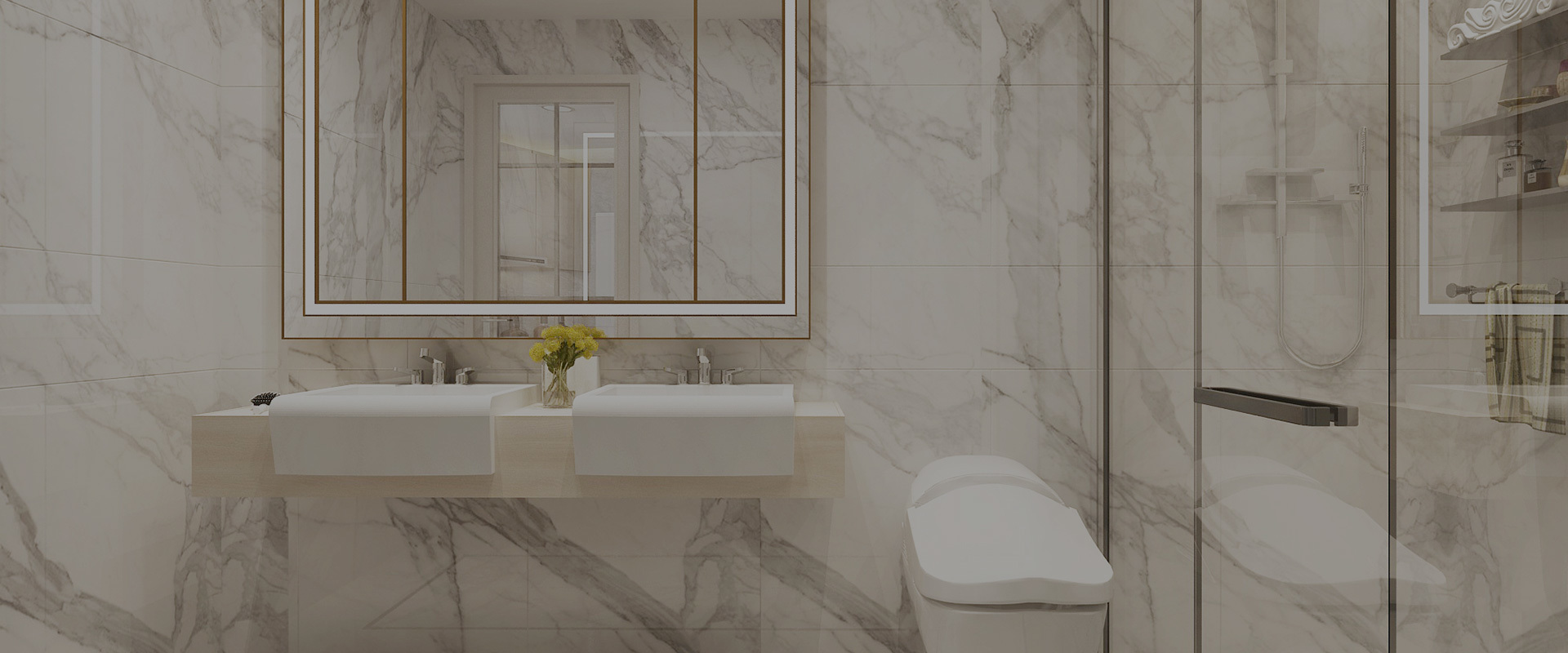
One of the most compelling reasons for the popularity of artificial marble is its aesthetic versatility. It can mimic the luxurious look of natural marble while being available in a broader range of colors and patterns. This customization allows architects to experiment creatively, ensuring that their designs stand out.
Furthermore, artificial marble's glossy finish enhances light reflection, creating a sense of spaciousness in interiors. It is perfect for various applications, from countertops and flooring to wall cladding and decorative elements.
2.2 Durability and Longevity
Durability is another significant advantage of artificial marble. Unlike natural marble, which can be susceptible to scratches, stains, and chips, artificial marble is engineered to resist these common issues. The resin binding used in its composition provides added strength, making it suitable for high-traffic areas in both residential and commercial spaces.
Additionally, artificial marble is non-porous, which means it does not harbor bacteria or mold. This characteristic makes it an excellent choice for kitchens and bathrooms where hygiene is essential.
2.3 Sustainability and Eco-Friendliness
Sustainability is becoming a crucial factor in architectural material selection. Artificial marble can be produced with recycled materials, reducing the impact on natural resources. Manufacturers are increasingly focusing on eco-friendly processes, ensuring that their products have minimal environmental impact.
Moreover, the longevity of artificial marble contributes to sustainability; its durability means that it does not need to be replaced as frequently as other materials, reducing waste over time.
3. Applications of Artificial Marble in Modern Design
The versatility of artificial marble allows it to be used in various applications, both indoors and outdoors.
3.1 Interior Applications
Inside homes and commercial spaces, artificial marble can be used for:
- **Countertops**: Ideal for kitchens and bathrooms, offering a sleek and modern finish.
- **Flooring**: Provides a luxurious feel underfoot while being easy to clean and maintain.
- **Wall Cladding**: Enhances the visual appeal of walls, particularly in living rooms and lobbies.
- **Vanities and Sinks**: Offers seamless designs that are both functional and beautiful.
3.2 Exterior Applications
Artificial marble is not limited to interior spaces. Its durability makes it suitable for exterior applications as well, such as:
- **Outdoor Flooring**: Resistant to weather conditions, it can be used for patios and walkways.
- **Cladding**: Creates stunning facades for buildings, enhancing curb appeal.
- **Garden Elements**: Used in sculptures and decorative features to create visually striking landscapes.
4. Current Trends in Using Artificial Marble
As artificial marble continues to gain popularity, several design trends are emerging in its application:
- **Bold Colors and Patterns**: Designers are leaning towards vibrant hues and unique patterns that make a statement.
- **Mixed Materials**: Combining artificial marble with other materials—like wood and metal—creates exciting contrasts and textures.
- **Sustainable Choices**: With a growing focus on sustainability, more architects are choosing eco-friendly artificial marble options.
5. Installation and Maintenance of Artificial Marble
The installation of artificial marble requires expertise to ensure a flawless finish. Professional installers will carefully cut and fit the pieces, ensuring that joints are seamless and visually appealing.
Maintenance is straightforward; regular cleaning with mild soap and water is usually sufficient. Unlike natural stone, it does not require sealing, saving time and effort for homeowners.
6. Cost Analysis of Artificial Marble vs. Natural Stone
When considering the cost of artificial marble compared to natural stone, several factors come into play. While the initial cost of artificial marble can be lower, its durability and minimal maintenance needs often make it a more economical choice in the long run.
Natural marble can be expensive due to quarrying and transportation costs, and it often requires more maintenance. Therefore, for those looking for a luxurious finish without breaking the bank, artificial marble stands out as a smart investment.
7. The Future of Artificial Marble in Architecture
The future of artificial marble appears bright as advancements in technology continue to improve its production and application. We can expect to see:
- **Innovative Designs**: With ongoing innovations, designers will have even more freedom to create unique structures.
- **Enhanced Sustainability**: As the demand for eco-friendly materials grows, manufacturers will likely focus on sustainable production methods.
- **Wider Acceptance**: As awareness of the benefits of artificial marble spreads, more architects and designers will incorporate it into their projects.
8. Frequently Asked Questions about Artificial Marble
What is artificial marble made of?
Artificial marble is primarily made from a blend of resin, natural stone powders, and pigments, which allows for various colors and patterns.
Is artificial marble more durable than natural marble?
Yes, artificial marble is engineered to be more durable and resistant to scratches, stains, and chips compared to natural marble.
How do you clean artificial marble?
Cleaning artificial marble is simple; use mild soap and water. Avoid harsh chemicals that can damage the surface.
Can artificial marble be used outdoors?
Yes, its durability makes artificial marble suitable for outdoor applications, including patios and walkways.
Is artificial marble eco-friendly?
Many manufacturers produce artificial marble using recycled materials, making it a more sustainable choice than natural stone.
9. Conclusion
Artificial marble has cemented its place in modern architecture due to its versatility, aesthetic appeal, and practical benefits. As we have explored, it offers a multitude of applications that cater to both interior and exterior designs, all while promoting sustainability.
With the ongoing advancements in design and production, artificial marble is poised to shape the future of architectural materials, making it a compelling choice for architects, designers, and homeowners. Embracing this innovative material not only elevates the aesthetic quality of spaces but also aligns with modern values of sustainability and durability.