language
English
العربية
বাংলাদেশ
Български
Hrvatski
Česky
Dansk
Nederland
 Esperanto
Slovenski
Filipino
Suomi
Français
Maori
 Shqiptare
Georgian
 Euskara
Deutsch
Ελλάδα
ישראל
इंडिया
Magyarország
Ísland
Indonesia
Irlanda
Italia
日本語
Sovensko
Հայաստան
한국
Kyrgyz
ປະເທດລາວ
 Zulu
Zulu
Latvian
Lithuanian
Luxembourgish
 Latinus
Macedonian
Малайская
Maltese
Монгол улс
 Cymraeg
ဗမာ
 தமிழ்
தமிழ்
नेपाल
Norge
ایران
Polska
Portugal
România
Российская
Србија
 Slovak
Србија
 Slovak
Bosanski
Slovenian
Беларус
España
Sverige
Точик
ประเทศไทย
Türk
Azərbaycan
Uzbek
 Afrikaans
Việt Nam


NEWS
GUANG TAI XIANG ARTIFICIAL STONE
Understanding Artificial Marble: A Versatile Material for Modern Architecture
2021-09-15
Artificial marble, also known as cultured marble, is a synthetic stone product created using a mixture of resins, pigments, and fillers. This innovative material has gained significant popularity in the construction and decoration sectors due to its aesthetic appeal and versatility. Unlike natural marble, which is quarried from the earth, artificial marble is engineered, allowing for a wide range of colors, patterns, and finishes that can mimic the appearance of natural stone.
One of the primary advantages of artificial marble is its cost-effectiveness. It typically costs less than natural marble while offering a similar look and feel. This affordability makes it an attractive option for both residential and commercial projects. Additionally, artificial marble is often less porous than natural stone, which means it is less likely to stain and easier to maintain. It is an ideal choice for areas that require frequent cleaning, such as kitchens and bathrooms.
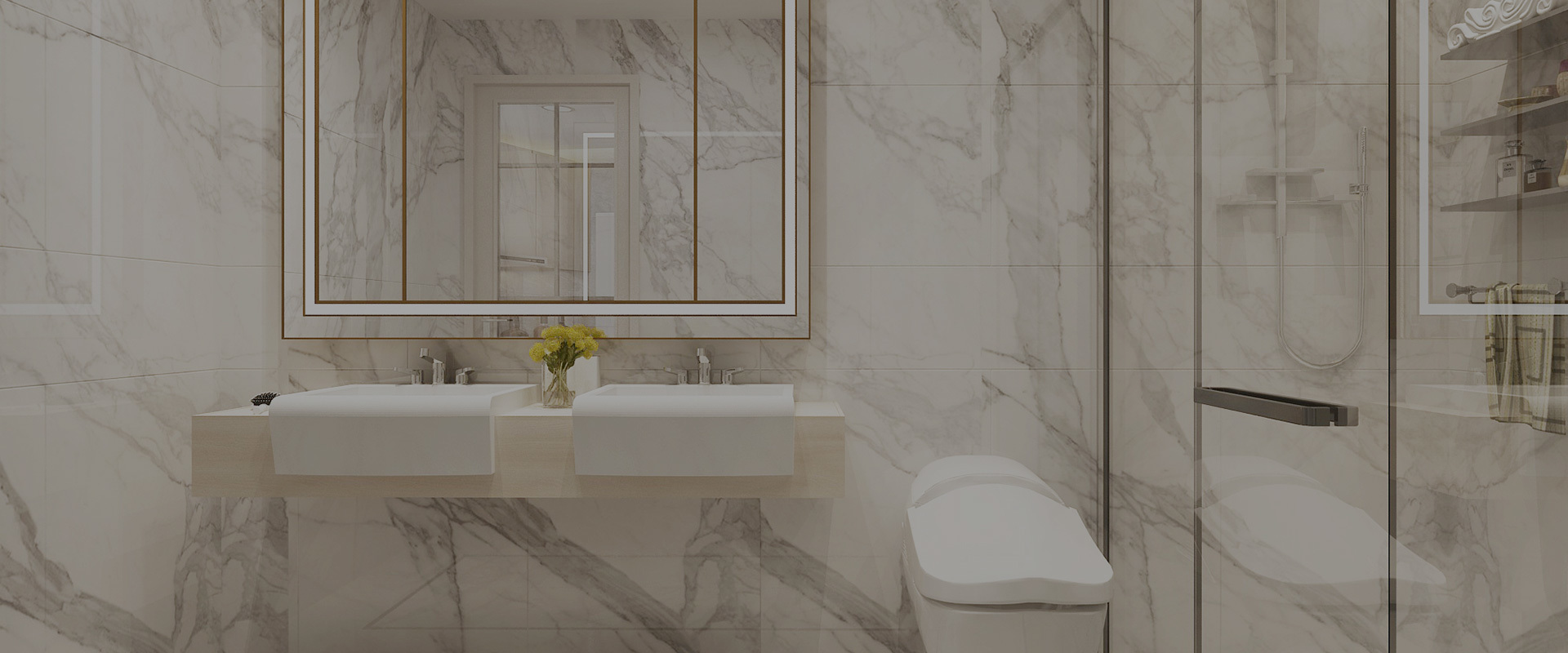
In terms of applications, artificial marble can be used in various settings. It is commonly found in countertops, vanity tops, wall cladding, flooring, and even decorative features. Its ability to be molded into different shapes and sizes adds to its versatility, allowing designers and architects to create unique and customized installations. Furthermore, artificial marble can be engineered to meet specific performance criteria, making it suitable for high-traffic areas or environments where durability is crucial.
Another notable benefit of artificial marble is its lightweight nature compared to natural stone. This characteristic can reduce transportation costs and make installation more manageable. Moreover, the manufacturing process of artificial marble allows for consistent quality and appearance, which can be a significant advantage for large-scale projects requiring uniformity in design.
While artificial marble offers many benefits, it is essential to recognize its limitations compared to natural marble. For instance, some individuals prefer the authenticity and uniqueness of natural stone, as each piece has its distinct veining and color variations. Additionally, while artificial marble is durable, it may not have the same level of heat resistance as natural marble, which could be a consideration in specific applications.
In conclusion, artificial marble is an excellent choice for those seeking a blend of beauty, functionality, and affordability in their construction and decoration projects. Its adaptability, ease of maintenance, and variety of design options make it a favored material in modern architecture. As the industry continues to evolve, artificial marble remains a viable option for achieving stunning aesthetics without compromising on performance. Whether renovating a home or designing a commercial space, understanding the features and benefits of artificial marble can help make informed decisions in material selection.
One of the primary advantages of artificial marble is its cost-effectiveness. It typically costs less than natural marble while offering a similar look and feel. This affordability makes it an attractive option for both residential and commercial projects. Additionally, artificial marble is often less porous than natural stone, which means it is less likely to stain and easier to maintain. It is an ideal choice for areas that require frequent cleaning, such as kitchens and bathrooms.
In terms of applications, artificial marble can be used in various settings. It is commonly found in countertops, vanity tops, wall cladding, flooring, and even decorative features. Its ability to be molded into different shapes and sizes adds to its versatility, allowing designers and architects to create unique and customized installations. Furthermore, artificial marble can be engineered to meet specific performance criteria, making it suitable for high-traffic areas or environments where durability is crucial.
Another notable benefit of artificial marble is its lightweight nature compared to natural stone. This characteristic can reduce transportation costs and make installation more manageable. Moreover, the manufacturing process of artificial marble allows for consistent quality and appearance, which can be a significant advantage for large-scale projects requiring uniformity in design.
While artificial marble offers many benefits, it is essential to recognize its limitations compared to natural marble. For instance, some individuals prefer the authenticity and uniqueness of natural stone, as each piece has its distinct veining and color variations. Additionally, while artificial marble is durable, it may not have the same level of heat resistance as natural marble, which could be a consideration in specific applications.
In conclusion, artificial marble is an excellent choice for those seeking a blend of beauty, functionality, and affordability in their construction and decoration projects. Its adaptability, ease of maintenance, and variety of design options make it a favored material in modern architecture. As the industry continues to evolve, artificial marble remains a viable option for achieving stunning aesthetics without compromising on performance. Whether renovating a home or designing a commercial space, understanding the features and benefits of artificial marble can help make informed decisions in material selection.