language
English
العربية
বাংলাদেশ
Български
Hrvatski
Česky
Dansk
Nederland
 Esperanto
Slovenski
Filipino
Suomi
Français
Maori
 Shqiptare
Georgian
 Euskara
Deutsch
Ελλάδα
ישראל
इंडिया
Magyarország
Ísland
Indonesia
Irlanda
Italia
日本語
Sovensko
Հայաստան
한국
Kyrgyz
ປະເທດລາວ
 Zulu
Zulu
Latvian
Lithuanian
Luxembourgish
 Latinus
Macedonian
Малайская
Maltese
Монгол улс
 Cymraeg
ဗမာ
 தமிழ்
தமிழ்
नेपाल
Norge
ایران
Polska
Portugal
România
Российская
Србија
 Slovak
Србија
 Slovak
Bosanski
Slovenian
Беларус
España
Sverige
Точик
ประเทศไทย
Türk
Azərbaycan
Uzbek
 Afrikaans
Việt Nam


NEWS
GUANG TAI XIANG ARTIFICIAL STONE
Why Choose Artificial Stone Slabs Over Natural Stone for Your Next Project?
2021-09-15
Why Choose Artificial Stone Slabs Over Natural Stone for Your Next Project?
Introduction: The Evolution of Stone Materials in Construction
In the world of construction and interior design, the choice of materials can significantly impact both aesthetic appeal and functionality. Among the myriad of options available, **stone slabs** have emerged as a popular choice for surfaces such as countertops, flooring, and wall coverings. While **natural stone** has long been revered for its authenticity and beauty, **artificial stone slabs** are gaining traction due to their numerous advantages. In this article, we will explore why choosing artificial stone slabs over natural stone could be the best decision for your next project.
Understanding Artificial Stone: What Is It?
Artificial stone, also known as engineered stone, is a composite material made from a combination of crushed stone, resin, and pigments. This blend results in a versatile product that mimics the appearance of natural stone while providing several unique benefits. Key characteristics of artificial stone include:
Durability and Strength
Artificial stone slabs are engineered to be extremely durable and resistant to chipping, cracking, and staining. This durability makes them an excellent choice for high-traffic areas, as they can withstand the rigors of daily use better than many natural stones.
Design Versatility
With a wide array of colors, patterns, and textures available, artificial stone slabs can be customized to fit any design aesthetic. Whether you prefer a sleek, modern look or a more traditional feel, there’s an artificial stone option that will meet your needs.
Eco-Friendly Options
Many manufacturers of artificial stone slabs focus on sustainability by utilizing recycled materials in their products. This makes artificial stone a more environmentally friendly option compared to natural stone, which often requires extensive quarrying and transportation.
The Cost Factor: Budget-Friendly Choices
When planning any construction or renovation project, budget considerations play a crucial role. Artificial stone slabs typically offer a more cost-effective solution compared to natural stone. The reasons for this include:
Lower Material Costs
Natural stone can be significantly more expensive due to its quarrying and processing costs. In contrast, artificial stone slabs are produced in factories, which can reduce costs and make them more accessible.
Reduced Installation Expenses
The lightweight nature of artificial stone slabs can also lead to savings on installation costs. Because they are easier to handle and manipulate, less labor is required, which further reduces overall project expenses.
Maintenance Made Easy: The Practical Benefits of Artificial Stone
One of the most appealing aspects of artificial stone is its low maintenance requirements. Unlike natural stone, which may need regular sealing and special cleaning products, artificial stone slabs are designed to be simple to care for.
Stain Resistance
The resin used in artificial stone slabs makes them highly resistant to stains from spills and everyday use. This quality allows for easy cleanup and maintenance, ensuring that your surfaces remain pristine for years.
Non-Porous Surface
Artificial stone slabs are non-porous, meaning they do not absorb liquids or harbor bacteria. This characteristic is especially important in kitchens and bathrooms, where hygiene is a priority.
Aesthetic Appeal: The Beauty of Artificial Stone Slabs
While some may argue that nothing can replicate the beauty of natural stone, advances in technology have allowed artificial stone manufacturers to create slabs that closely resemble their natural counterparts.
Realistic Textures and Patterns
Modern artificial stone slabs come in a variety of textures and patterns that mimic the unique veining and color variations found in natural stone. This allows homeowners and designers to achieve the desired look without sacrificing quality or durability.
Seamless Integration
Artificial stone slabs can be fabricated to create large, continuous surfaces without visible seams. This seamless appearance enhances the overall design and can make spaces feel more open and airy.
Applications of Artificial Stone Slabs in Design
The versatility of artificial stone slabs makes them suitable for a wide range of applications, including:
Kitchens and Countertops
Artificial stone is an excellent choice for kitchen countertops due to its durability and ease of maintenance. Available in various colors and finishes, it can complement any kitchen design.
Bathrooms and Vanities
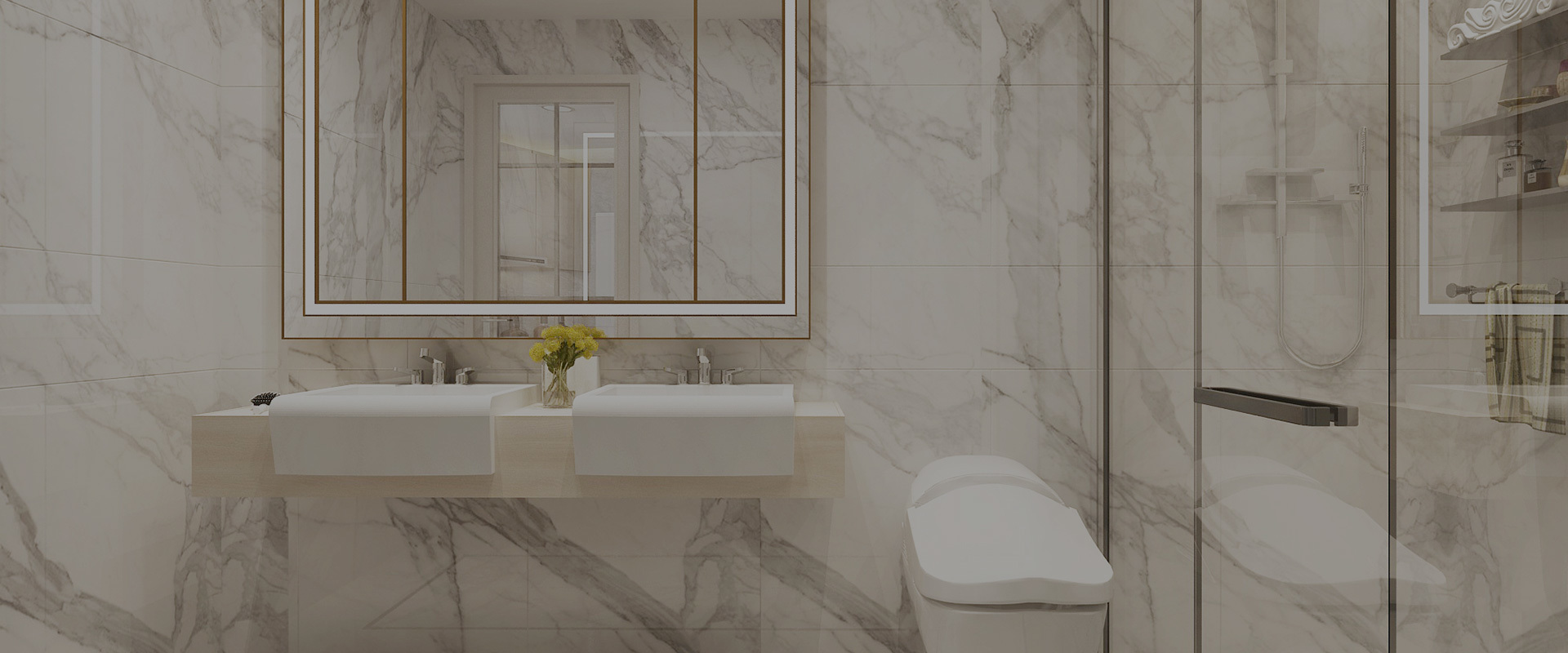
In bathrooms, artificial stone slabs can be used for vanities, shower walls, and flooring. Their water-resistant properties make them ideal for these high-moisture areas.
Commercial Spaces
Businesses often opt for artificial stone slabs in commercial settings for their durability and low maintenance needs. From retail environments to restaurants, artificial stone can withstand the demands of high-traffic areas.
Comparing Artificial Stone to Natural Stone: Key Takeaways
To help clarify the advantages of artificial stone slabs, let’s summarize the key differences between artificial stone and natural stone:
Cost-Effectiveness
Artificial stone slabs are generally more affordable than natural stones, both in terms of material and installation costs.
Maintenance and Durability
Artificial stone requires less maintenance and is more resistant to damage than natural stone, which may need sealing and specialized care.
Design Flexibility
Artificial stone offers a broader range of design options, allowing for customization that may not be achievable with natural stone.
Frequently Asked Questions (FAQs)
1. Can artificial stone slabs be repaired if damaged?
Yes, most artificial stone slabs can be repaired by professionals. Scratches and minor imperfections can often be buffed out or filled in to restore their appearance.
2. Are artificial stone slabs safe for food preparation?
Yes, the non-porous nature of artificial stone slabs makes them safe for food preparation, as they do not harbor bacteria and are easy to clean.
3. How do artificial stone slabs compare to quartz surfaces?
Artificial stone slabs and quartz surfaces are similar, as both are engineered materials. However, quartz surfaces often have a higher resin content, which can enhance their durability and design options.
4. What is the lifespan of artificial stone slabs?
With proper care, artificial stone slabs can last for decades, making them a long-term investment for your home or business.
5. Are artificial stone slabs environmentally friendly?
Many artificial stone products are made using recycled materials and sustainable practices, making them a more eco-friendly choice compared to natural stone.
Conclusion: Making the Right Choice for Your Project
In summary, artificial stone slabs present an array of compelling benefits that make them an excellent choice over natural stone for various construction and design projects. Their cost-effectiveness, low maintenance needs, durability, and aesthetic versatility make them suitable for both residential and commercial applications. Whether you're renovating a kitchen, designing a bathroom, or looking to enhance a commercial space, consider the advantages of artificial stone slabs as a practical and stylish solution to meet your needs. By choosing artificial stone, you can achieve the beauty of natural stone without compromising on functionality or budget, ensuring that your project is a success.