language
English
العربية
বাংলাদেশ
Български
Hrvatski
Česky
Dansk
Nederland
 Esperanto
Slovenski
Filipino
Suomi
Français
Maori
 Shqiptare
Georgian
 Euskara
Deutsch
Ελλάδα
ישראל
इंडिया
Magyarország
Ísland
Indonesia
Irlanda
Italia
日本語
Sovensko
Հայաստան
한국
Kyrgyz
ປະເທດລາວ
 Zulu
Zulu
Latvian
Lithuanian
Luxembourgish
 Latinus
Macedonian
Малайская
Maltese
Монгол улс
 Cymraeg
ဗမာ
 தமிழ்
தமிழ்
नेपाल
Norge
ایران
Polska
Portugal
România
Российская
Србија
 Slovak
Србија
 Slovak
Bosanski
Slovenian
Беларус
España
Sverige
Точик
ประเทศไทย
Türk
Azərbaycan
Uzbek
 Afrikaans
Việt Nam


NEWS
GUANG TAI XIANG ARTIFICIAL STONE
Discover the Versatility of Artificial Stone Slabs in Modern Interiors
2021-09-15
Discover the Versatility of Artificial Stone Slabs in Modern Interiors
Table of Contents
- Introduction to Artificial Stone Slabs
- What Are Artificial Stone Slabs?
- Advantages of Using Artificial Stone Slabs
- Design Applications of Artificial Stone Slabs in Interiors
- Color and Texture Options for Artificial Stone Slabs
- Maintenance and Care for Artificial Stone Slabs
- The Sustainability of Artificial Stone Slabs
- Conclusion
- FAQs about Artificial Stone Slabs
Introduction to Artificial Stone Slabs
In modern interior design, the use of materials that are both aesthetically pleasing and functional is essential. **Artificial stone slabs** have emerged as a popular choice among architects, designers, and homeowners alike. These versatile slabs blend the beauty of natural stone with innovative engineering, resulting in a product that offers a plethora of design possibilities.
Whether you are renovating your kitchen, upgrading your bathroom, or looking to enhance your living space, artificial stone slabs provide an array of benefits that make them an ideal material. This article will guide you through the many ways artificial stone slabs can transform your interiors, while highlighting their unique advantages.
What Are Artificial Stone Slabs?
Artificial stone slabs, often referred to as engineered stone, are composite materials made from a blend of crushed stone, resins, and pigments. Unlike **natural stone** such as granite or marble, which are quarried and cut from the earth, artificial stone slabs undergo a manufacturing process that allows for greater control over their appearance and properties.
**Common types of artificial stone slabs** include:
- **Quartz Surfaces**: Composed of around 90-95% crushed quartz crystals mixed with resins, quartz surfaces are highly durable and non-porous, making them resistant to stains and scratches.
- **Solid Surface Materials**: Made from acrylic or polyester resins, solid surfaces mimic the look of natural stone while providing seamless designs and easy maintenance.
- **Reconstituted Stone**: This material combines natural stone aggregates with resins, creating a product that maintains the appearance of natural stone while offering improved durability.
Artificial stone slabs are available in a variety of colors, patterns, and finishes, making them a versatile choice for any interior design project.
Advantages of Using Artificial Stone Slabs
Artificial stone slabs offer numerous advantages that make them a favorite among designers and homeowners:
1. Durability
Artificial stone slabs are engineered to withstand daily wear and tear, making them a durable option for high-traffic areas. Their resistance to scratches, stains, and heat ensures that they maintain their beauty over time.
2. Versatility
Available in a wide range of colors, patterns, and finishes, artificial stone slabs can complement any design aesthetic. Whether you prefer a sleek contemporary look or a classic style, there is an artificial stone option to suit your needs.
3. Low Maintenance
Unlike natural stone, which often requires sealing and special cleaning products, artificial stone slabs are easy to clean and maintain. Regular soap and water are usually sufficient for daily cleaning, making them a practical choice for busy households.
4. Cost-Effectiveness
In many cases, artificial stone slabs are more affordable than their natural counterparts. This cost-effectiveness allows homeowners to achieve the look of luxury without breaking the bank.
5. Eco-Friendliness
Many manufacturers produce artificial stone slabs using sustainable practices and recycled materials, making them a more environmentally friendly option compared to traditional stone.
Design Applications of Artificial Stone Slabs in Interiors
Artificial stone slabs can be used in a variety of applications to enhance your home’s interior design. Here are some popular uses:
1. Kitchen Countertops
Artificial stone slabs are a top choice for kitchen countertops due to their durability and resistance to stains and scratches. With numerous design options, you can create a beautiful and functional workspace.
2. Bathroom Vanities
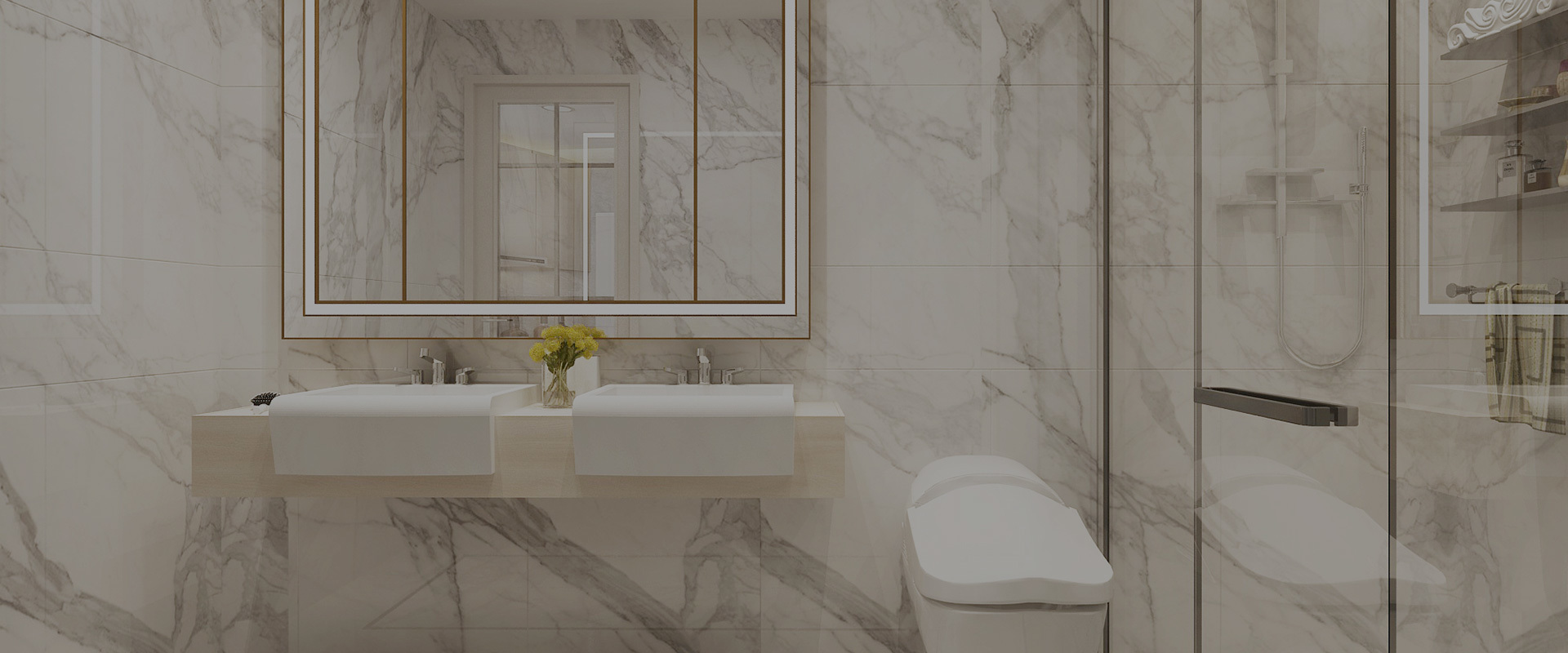
In bathrooms, artificial stone provides an elegant surface for vanities and sinks. Its non-porous nature ensures water resistance, making it ideal for humid environments.
3. Backsplashes
Using artificial stone slabs as backsplashes can create a striking focal point in the kitchen or bathroom. The versatility in design allows for endless creativity in pattern and color combinations.
4. Wall Cladding
Artificial stone can also be used for wall cladding, adding texture and visual interest to living spaces. Whether applied in large slabs or smaller tiles, this material can transform any room.
5. Furniture Accents
Designers are increasingly incorporating artificial stone into furniture, such as coffee tables, dining tables, and shelving units. This approach adds a touch of sophistication and modernity to any interior.
Color and Texture Options for Artificial Stone Slabs
One of the most significant advantages of artificial stone slabs is the variety of color and texture options available.
1. Color Variety
From bold, vibrant hues to soft, neutral tones, artificial stone slabs come in an extensive range of colors. This variety allows homeowners to select shades that match their existing décor or make a statement.
2. Texture Options
Artificial stone slabs can mimic the texture of natural materials, such as marble, granite, or even concrete. With options for polished, honed, or textured finishes, these slabs can provide the desired aesthetic for any space.
Maintenance and Care for Artificial Stone Slabs
To ensure the longevity of your artificial stone slabs, proper maintenance is essential. Here are some tips:
1. Regular Cleaning
For daily cleaning, use warm water and mild soap. Avoid harsh chemicals or abrasive cleaners that can damage the surface.
2. Avoid Heat and Sharp Objects
Although artificial stone is heat resistant, it’s best to use trivets or pot holders to prevent potential damage. Similarly, always use cutting boards to avoid scratching the surface.
3. Sealing (if applicable)
Certain types of artificial stone may require sealing. Check with the manufacturer for specific maintenance instructions regarding sealing and care.
The Sustainability of Artificial Stone Slabs
Sustainability is becoming a crucial factor in design decisions. Artificial stone slabs align with these values by offering environmentally friendly options. Many brands utilize recycled materials and sustainable manufacturing processes, contributing to a reduced environmental footprint.
Choosing artificial stone supports sustainable practices while providing a beautiful, durable product for your home. When selecting artificial stone, look for manufacturers who prioritize eco-friendly sourcing and production methods.
Conclusion
Artificial stone slabs have revolutionized modern interior design, offering an unmatched combination of beauty, durability, and versatility. Whether you’re updating your kitchen, enhancing your bathroom, or looking for unique design elements, artificial stone slabs provide endless possibilities. Their ability to mimic natural stone while providing additional benefits makes them a smart choice for any space.
As homeowners and designers continue to seek sustainable and stylish options, artificial stone slabs stand out as an exceptional solution. Embrace the versatility of artificial stone slabs and transform your interiors into stunning, functional spaces.
FAQs about Artificial Stone Slabs
1. Are artificial stone slabs better than natural stone?
Artificial stone slabs offer several advantages, including durability, low maintenance, and cost-effectiveness. They can also be produced in a wider range of colors and patterns compared to natural stone.
2. How long do artificial stone slabs last?
With proper care and maintenance, artificial stone slabs can last for many years, often outlasting natural stone due to their engineered durability.
3. Can artificial stone slabs be repaired if damaged?
Minor scratches can often be polished out, and some manufacturers offer repair kits for more significant damage. Always consult the manufacturer for specific repair guidelines.
4. Do artificial stone slabs need to be sealed?
Most artificial stone slabs are non-porous and do not require sealing. However, some types may benefit from occasional sealing for added protection. Check with the manufacturer for recommendations.
5. Can I use artificial stone slabs outdoors?
While many artificial stone slabs are suitable for indoor use, some are designed for outdoor applications. Always check the specifications and intended use before installation.
By exploring the versatility of artificial stone slabs, homeowners and designers can create beautiful, functional interiors that stand the test of time.