language
English
العربية
বাংলাদেশ
Български
Hrvatski
Česky
Dansk
Nederland
 Esperanto
Slovenski
Filipino
Suomi
Français
Maori
 Shqiptare
Georgian
 Euskara
Deutsch
Ελλάδα
ישראל
इंडिया
Magyarország
Ísland
Indonesia
Irlanda
Italia
日本語
Sovensko
Հայաստան
한국
Kyrgyz
ປະເທດລາວ
 Zulu
Zulu
Latvian
Lithuanian
Luxembourgish
 Latinus
Macedonian
Малайская
Maltese
Монгол улс
 Cymraeg
ဗမာ
 தமிழ்
தமிழ்
नेपाल
Norge
ایران
Polska
Portugal
România
Российская
Србија
 Slovak
Србија
 Slovak
Bosanski
Slovenian
Беларус
España
Sverige
Точик
ประเทศไทย
Türk
Azərbaycan
Uzbek
 Afrikaans
Việt Nam


NEWS
GUANG TAI XIANG ARTIFICIAL STONE
The Versatility and Advantages of Artificial Stone Slabs in Modern Architecture
2021-09-15
Artificial stone slabs have become increasingly popular in the architecture and decoration sectors, particularly when it comes to building materials. These engineered slabs are crafted from a combination of natural stone particles, resins, and pigments, allowing them to simulate the look of natural stone while offering a range of functional benefits. In this article, we will explore what artificial stone slabs are, their advantages, and their various applications in the construction and design fields.
One of the primary advantages of artificial stone slabs is their versatility. They come in a wide array of colors, patterns, and finishes, making them an ideal choice for any design theme, from modern and minimalist to classic and ornate. Unlike natural stone, which can be limited in availability and consistency, artificial stone slabs are manufactured, ensuring uniformity in color and texture. This characteristic allows architects and designers to achieve a cohesive look throughout their projects.
Durability is another significant benefit of artificial stone slabs. These materials are engineered to withstand wear and tear, making them suitable for high-traffic areas. They are resistant to stains, scratches, and heat, which is a crucial factor for applications such as countertops, flooring, and wall cladding. This durability not only enhances the lifespan of the installations but also reduces maintenance efforts, making artificial stone a cost-effective choice in the long run.
In terms of environmental impact, many artificial stone slabs are produced using eco-friendly processes. Manufacturers often utilize recycled materials in their production, reducing the demand for quarrying natural stone and minimizing the overall carbon footprint. Furthermore, the production techniques used for artificial stone slabs typically consume less energy compared to the extraction and processing of natural stones.
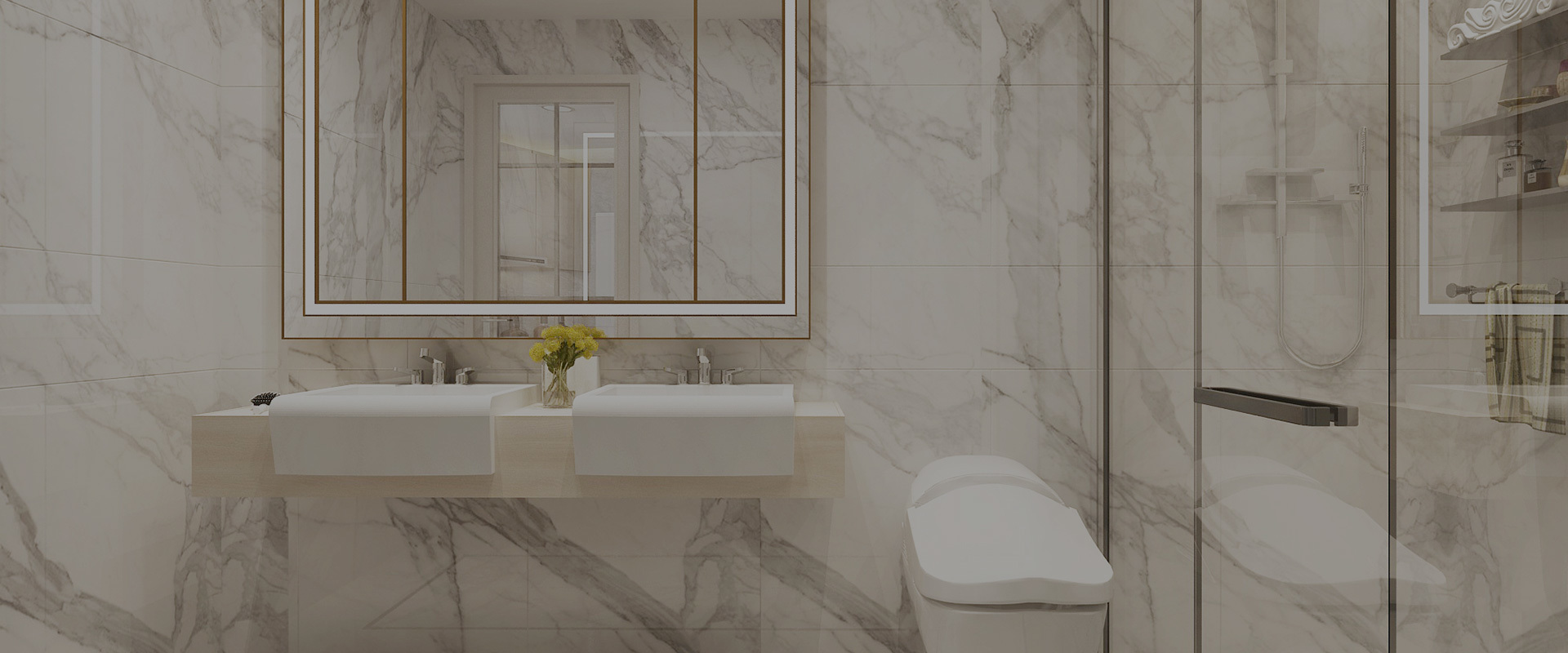
Artificial stone slabs are widely used in various applications, including residential and commercial spaces. In kitchens, they serve as durable and aesthetically pleasing countertops. In bathrooms, they can be used for vanity tops, shower surrounds, and wall coverings. Additionally, artificial stone slabs are increasingly popular in flooring and wall applications in offices, hotels, and retail spaces due to their easy maintenance and attractive finish.
In conclusion, artificial stone slabs represent a significant advancement in the field of building and decorative materials. Their versatility, durability, and eco-friendly production processes make them an excellent choice for modern architecture and design. As the demand for innovative materials continues to rise, artificial stone slabs are becoming an integral part of many construction projects, providing both functional and aesthetic benefits that appeal to homeowners, builders, and designers alike.
One of the primary advantages of artificial stone slabs is their versatility. They come in a wide array of colors, patterns, and finishes, making them an ideal choice for any design theme, from modern and minimalist to classic and ornate. Unlike natural stone, which can be limited in availability and consistency, artificial stone slabs are manufactured, ensuring uniformity in color and texture. This characteristic allows architects and designers to achieve a cohesive look throughout their projects.
Durability is another significant benefit of artificial stone slabs. These materials are engineered to withstand wear and tear, making them suitable for high-traffic areas. They are resistant to stains, scratches, and heat, which is a crucial factor for applications such as countertops, flooring, and wall cladding. This durability not only enhances the lifespan of the installations but also reduces maintenance efforts, making artificial stone a cost-effective choice in the long run.
In terms of environmental impact, many artificial stone slabs are produced using eco-friendly processes. Manufacturers often utilize recycled materials in their production, reducing the demand for quarrying natural stone and minimizing the overall carbon footprint. Furthermore, the production techniques used for artificial stone slabs typically consume less energy compared to the extraction and processing of natural stones.
Artificial stone slabs are widely used in various applications, including residential and commercial spaces. In kitchens, they serve as durable and aesthetically pleasing countertops. In bathrooms, they can be used for vanity tops, shower surrounds, and wall coverings. Additionally, artificial stone slabs are increasingly popular in flooring and wall applications in offices, hotels, and retail spaces due to their easy maintenance and attractive finish.
In conclusion, artificial stone slabs represent a significant advancement in the field of building and decorative materials. Their versatility, durability, and eco-friendly production processes make them an excellent choice for modern architecture and design. As the demand for innovative materials continues to rise, artificial stone slabs are becoming an integral part of many construction projects, providing both functional and aesthetic benefits that appeal to homeowners, builders, and designers alike.