language
English
العربية
বাংলাদেশ
Български
Hrvatski
Česky
Dansk
Nederland
 Esperanto
Slovenski
Filipino
Suomi
Français
Maori
 Shqiptare
Georgian
 Euskara
Deutsch
Ελλάδα
ישראל
इंडिया
Magyarország
Ísland
Indonesia
Irlanda
Italia
日本語
Sovensko
Հայաստան
한국
Kyrgyz
ປະເທດລາວ
 Zulu
Zulu
Latvian
Lithuanian
Luxembourgish
 Latinus
Macedonian
Малайская
Maltese
Монгол улс
 Cymraeg
ဗမာ
 தமிழ்
தமிழ்
नेपाल
Norge
ایران
Polska
Portugal
România
Российская
Србија
 Slovak
Србија
 Slovak
Bosanski
Slovenian
Беларус
España
Sverige
Точик
ประเทศไทย
Türk
Azərbaycan
Uzbek
 Afrikaans
Việt Nam


NEWS
GUANG TAI XIANG ARTIFICIAL STONE
Why Artificial Stone is the Future of Sustainable Building Materials
2021-09-15
Why Artificial Stone is the Future of Sustainable Building Materials
Table of Contents
- Introduction to Artificial Stone
- Understanding Artificial Stone: Composition and Characteristics
- Key Benefits of Artificial Stone in Construction
- Environmental Impact of Artificial Stone
- Artificial Stone vs. Natural Stone: A Comparative Analysis
- Applications of Artificial Stone in Modern Architecture
- The Future of Building Materials: Trends and Innovations
- Conclusion
- FAQs
Introduction to Artificial Stone
In recent years, the construction industry has witnessed a significant shift towards sustainable practices. Among the innovations leading this transformation is **artificial stone**. This material is not merely a substitute for natural stone; it embodies a philosophy of sustainability, efficiency, and versatility. As we delve into the world of artificial stone, we will uncover its properties, advantages, and its undeniable potential to shape the future of building materials.
Understanding Artificial Stone: Composition and Characteristics
Artificial stone, often referred to as **engineered stone**, is composed of a blend of natural stone aggregates, resins, and pigments. The most common types include quartz surfaces, solid surfaces, and concrete mixtures. This artificial counterpart often mimics the aesthetics of natural stone but is engineered to enhance durability and workability.
Key Components of Artificial Stone
1. **Aggregates**: These can include crushed stone, glass, or other materials that provide texture and appearance.
2. **Resins**: Typically polymer-based, resins bind the aggregates, enhancing strength and longevity.
3. **Pigments**: These are added to achieve various colors and finishes, allowing for customization and aesthetic flexibility.
Characteristics of Artificial Stone
- **Durability**: Engineered stone is resistant to scratching, staining, and impact, making it suitable for high-traffic areas.
- **Design Versatility**: Available in numerous colors and patterns, it can be tailored to fit various design schemes.
- **Low Maintenance**: Unlike natural stone, artificial stone requires minimal maintenance, offering a seamless surface that resists mold and bacteria.
Key Benefits of Artificial Stone in Construction
The advantages of adopting artificial stone as a building material are manifold. It not only enhances the aesthetic appeal of structures but also contributes to sustainability in various ways.
1. Resource Efficiency
Artificial stone minimizes the need for quarrying, which is often associated with natural stone extraction. The production process utilizes recycled materials, fostering a circular economy in the building sector.
2. Reduced Carbon Footprint
The production of artificial stone generates fewer greenhouse gas emissions compared to quarrying and processing natural stone. This reduction in carbon footprint is vital in combating climate change.
3. Water Conservation
Manufacturing artificial stone consumes significantly less water than the extraction and processing of natural stone, making it a more sustainable choice for resource management.
4. Energy Efficiency
Artificial stones often require less energy to produce due to the use of advanced manufacturing techniques. This efficiency translates to lower energy consumption and reduced environmental impact.
5. Long Lifespan
With their durability and low maintenance requirements, artificial stones can last for decades, reducing the need for frequent replacements and, consequently, waste generation.
Environmental Impact of Artificial Stone
Understanding the environmental implications of building materials is crucial in today’s construction landscape. Artificial stone presents several advantages that positively impact ecological well-being.
1. Sustainable Sourcing
As artificial stone can be produced from waste materials and byproducts, it paves the way for sustainable sourcing practices. This not only reduces the burden on natural resources but also encourages recycling initiatives.
2. Lower Ecological Disruption
Unlike traditional quarrying, which can devastate landscapes, the production of artificial stone involves significantly less ecological disruption. This preservation of natural habitats is critical in maintaining biodiversity.
3. End-of-Life Management
Artificial stones can often be recycled or repurposed, which aligns with sustainable building practices focused on reducing waste. This characteristic underscores their role in a circular economy.
Artificial Stone vs. Natural Stone: A Comparative Analysis
When considering materials for construction, the choice between artificial and natural stone often arises. Each has its unique attributes, advantages, and disadvantages.
1. Aesthetic Appeal
Natural stone offers unique patterns and a timeless aesthetic. However, artificial stone can replicate these appearances while allowing for greater design flexibility and customization.
2. Cost-Effectiveness
Artificial stone is generally more cost-effective than natural stone, both in terms of initial investment and long-term maintenance. This affordability can significantly influence project budgets.
3. Performance Characteristics
While natural stones may require sealing and careful maintenance, artificial stones often boast inherent resistance to stains and scratches, enhancing their practicality in various applications.
Applications of Artificial Stone in Modern Architecture
The versatility of artificial stone lends itself to a myriad of applications across various sectors of architecture and design.
1. Residential Design
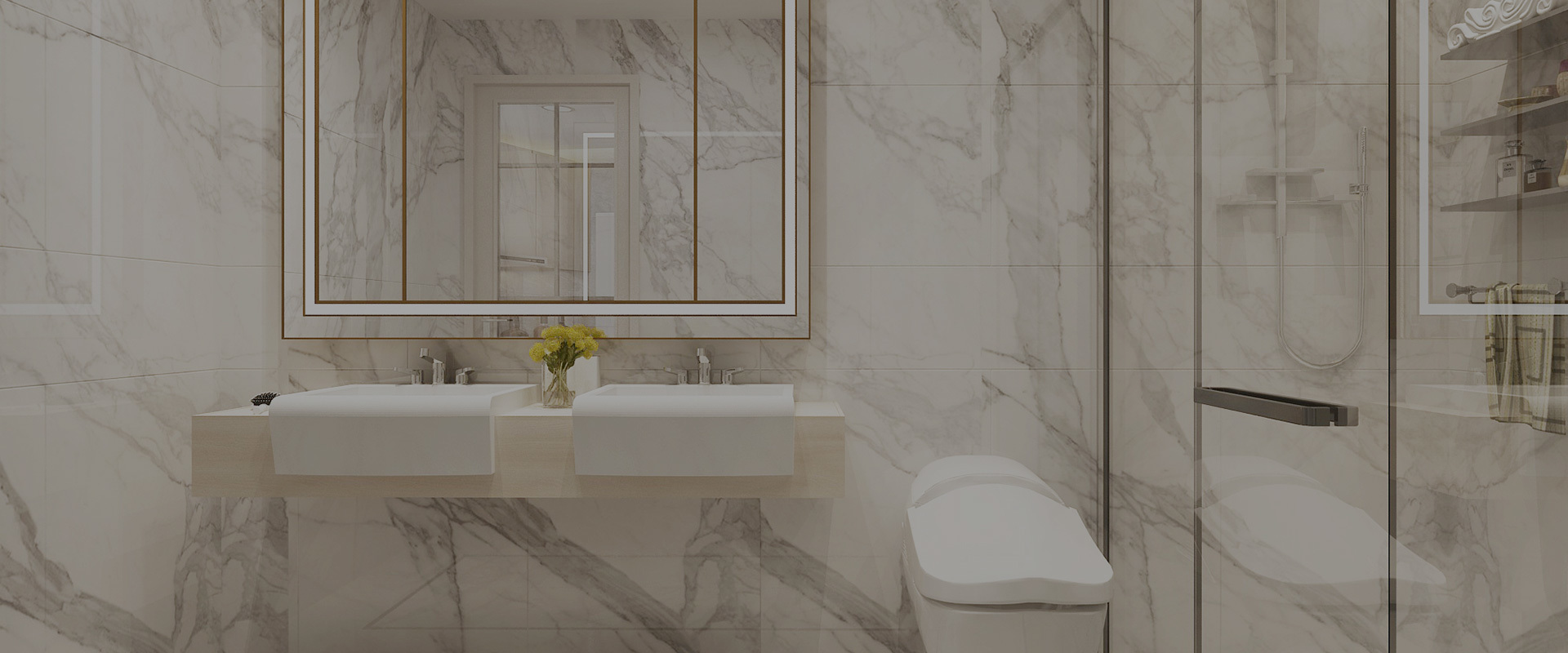
Artificial stone is increasingly popular in kitchens and bathrooms, where its durability and low maintenance are highly valued. Countertops, backsplashes, and flooring are common uses.
2. Commercial Spaces
From retail environments to corporate offices, artificial stone’s aesthetic appeal and resilience make it an excellent choice for high-traffic areas.
3. Landscaping
In landscaping, artificial stone is used for pathways, garden walls, and decorative features, providing an attractive alternative that requires less upkeep than natural stone.
4. Sustainable Building Facades
The use of artificial stone in building facades promotes sustainability while offering design flexibility. It enhances energy efficiency and contributes to a building’s overall aesthetic.
The Future of Building Materials: Trends and Innovations
As the construction industry evolves, artificial stone is poised to play a pivotal role. Emerging trends indicate a growing reliance on eco-friendly materials, driven by consumer demand and regulatory pressures.
1. Technological Advancements
Innovations in manufacturing processes are continually enhancing the properties of artificial stone. Advances in technology aim to improve quality, sustainability, and design options.
2. Integration of Smart Technologies
Future artificial stone products may incorporate smart technologies, enabling buildings to monitor their environmental impact and enhance energy efficiency.
3. Increased Focus on Sustainability
As the global emphasis on sustainability intensifies, artificial stone stands out as a favored choice, aligning with eco-conscious construction practices and regulations.
Conclusion
Artificial stone represents a significant leap forward in sustainable building materials. Its combination of durability, aesthetic flexibility, and environmental benefits positions it as a frontrunner in the quest for eco-friendly alternatives. As we look towards a more sustainable future, embracing artificial stone will not only enhance our built environment but also contribute to the preservation of our planet.
FAQs
1. What is artificial stone made of?
Artificial stone is typically composed of stone aggregates, resins, and pigments, allowing for a wide range of designs and applications.
2. Is artificial stone eco-friendly?
Yes, artificial stone is considered eco-friendly due to its sustainable sourcing, lower carbon footprint, and potential for recycling.
3. How does artificial stone compare to natural stone in terms of cost?
Artificial stone is often more cost-effective than natural stone, both in initial costs and long-term maintenance.
4. Can artificial stone be used outdoors?
Yes, artificial stone is suitable for outdoor applications, including landscaping, patios, and building facades due to its durability and weather resistance.
5. How do I maintain artificial stone surfaces?
Maintaining artificial stone is simple; regular cleaning with mild soap and water is typically sufficient, as it is resistant to stains and bacteria.